Brain Game Tennis

  • Zoom
  • Balls
  • Webinars
    • 1: Winning Singles Strategy
    • 2: Winning Doubles Strategy
    • 3: Serve Strategy & Patterns
    • 4: Return Strategy & Patterns
    • 5 FREE 2022 US Open: Alcaraz v Sinner Analysis
    • 6 Net Strategy & Patterns
    • 7: Baseline Strategy & Patterns
    • 8: The Mental Game
    • 9: 25 Favorite Drills
    • 10: Primary & Secondary
    • 11: Break Points & Tie-Breaks
    • 12: Team Djokovic
    • 13: How Not To Lose
    • 14: Forehand Playbook
    • 15: Backhand Playbook
    • 16: Serve +1 Strategy
    • 17: Return +1 Strategy
    • 18: FREE Djokovic 2023 Australia Analysis
    • 19: Drop Shots & Lobs
    • 20: Own The Net & Cover The Lob
    • 21: Serve & Volley | Return & Volley
    • 22: Run Around Forehands
    • 23: Point Score Strategy
    • 24: Andre Agassi Patterns Of Play
    • 25: Anticipation & Positioning
    • 26: ABCD Baseline Locations
    • 27: Winners & Errors
    • 28: Dynamic Defense
    • 29: Match Rituals
    • 30: Volley & Overhead Technique
    • 31: 2023 Wimbledon Alcaraz v Djokovic Analysis
    • 32: Hitting Down The Line
    • 33: First Strike Tennis
    • 34: The 8 Serve Locations
    • 35: Backhand Cage
    • 36: Make Better Decisions
    • 37: 25 Underrated Tactics
    • 38: Aggressive Returns
    • 39: Passing Shots
    • 40: Climbing The Ladder
    • 41: Opponent Awareness
    • 42: Interior Footwork & Spacing
    • 43: Depth Before Direction
    • 44: Approach Shots
    • 45: How To Build A Point
    • 46: 8 Ways To Force An Error
    • 47: Backhand Slice Situations
    • 48: Game Plans
    • 49: Position A Mastery
    • 50: Position D Mastery
    • 51: Lefties
    • 52: Playing Behind
    • 53: Pre-Match Nerves
    • 54: 1st Point Of The Game
    • 55: All Court Player
    • 56: 2nd Serve Return Prowess
    • 57: Forehand Errors In 0-4 Shots
    • 58: Serve +1 Approach
    • 59: Slice Returns
    • 60: Doubles Return Strategy
    • 61: Improve Your Serve Accuracy
    • 62: Stay On The Shot
    • 63: Two-Shot Combinations
    • 64: Attacking From D To A
    • 65: Reducing Risk
    • 66: Depth Is The Diamond
    • 67: Defensive Forehands
    • 68: Recovering For Next Shot
    • 69: Reduce Net Errors
    • 70: Closing Out A Set
    • 71: Serve +2
    • 72: Improve Your Variety
    • 73: Winning On Defense
    • 74: How To Analyze A Match
    • 75: Practice Like A Pro
    • 76: Copy Carlos Alcaraz
    • 77: Master The Fundamentals
    • 78: What Matters Most To Winning
    • 79: Best Patterns Of Play
    • 80: How To Talk To Yourself
    • 81: First Volleys
    • 82: Get Into Your Opponent’s Head
  • Strategy Courses
    • The First 4 Shots
      • The Mode = 1
      • Men: 2015/16 Australian Open Round by Round
      • Men: 2015/16 Australian Open Average Rally Length
      • Women: 2015/16 Australian Open Round by Round
      • Women: 2015/16 Australian Open Average Rally Length
      • 2015/16 Australian Open: Bullseye = 3 Shots
      • 2015/16 Australian Open: 1-7 Shots Breakdown
      • 2015/16 Australian Open: Shorter > Longer
      • Men 2015/16 Australian Open: Champion Analysis
      • North Carolina High School Tennis
      • The Serve Shockwave
      • Everyone’s Game Style = First Strike
      • Where Players Lose
      • Junior to Pro First Strike Pathway
      • Men’s College Tennis
      • Women’s College Tennis
      • Boy’s 12’s
      • Boy’s 14’s
      • Boy’s 16’s
      • Boy’s 18’s
      • Girl’s 18’s
    • Short Ball Hunter
      • Baseline v Net
      • Wimbledon Approaching 2002 – 2015
      • 2015 US Open: 2nd Week
      • 2015 US Open: Approach To The Backhand
      • 2015 US Open: Approach To The Forehand
      • Junior & College Data
      • Roger Federer Prowling
      • Roger Federer: Hitting A FH v BH Approach
      • Roger Federer: Approach to Forehand v Backhand
      • Roger Federer: Approach Situations
      • Roger Federer: SABR
      • 2015 Australian Open Men: Best Time To Approach
      • 2015 Australian Open Women: Best Time To Approach
      • 2015 Australian Open Juniors: Best Time To Approach
      • 50-50 Ball
      • Approach Middle
      • Half Court Players
      • Court Position & Time
    • 25 GR Singles
      • Foundations
      • #1 Eight Serve Locations
      • #2 Eight Serve Factors
      • #3 Serve + 1
      • #4 Serve & Volley Part 1
      • #4 Serve & Volley Part 2
      • #5 Serve Situations
      • #6 First Serves
      • #7 Second Serves
      • #8 Return Situations
      • #9 Returning 1st Serves
      • #10 Returning 2nd Serves
      • #11 Break Points
      • #12 Return Approach
      • #13 Return Winner
      • #14 A B C D
      • #15 Rally Percentages
      • #16 Sword & Shield
      • #17 Run Around Forehand
      • #18 The 2-1
      • #19 Climbing The Ladder
      • #20 Backhand Cage
      • #21 Backhand Line
      • #22 Drop Shots
      • #23 Approaching
      • #24 1st Volley Behind
      • #25 Pass Cross
    • 25 GR Doubles
      • #1 Center Window
      • #2 Where To Stand
      • #3 Forget The Lines
      • #4 Don’t Follow The Ball
      • #5 Don’t Change Directions
      • #6 Don’t Cover The Line
      • #7 Best Serve Locations
      • #8 Best Return Locations
      • #9 The J
      • #10 The V
      • #11 Volley Targets
      • #12 Two Back
      • #13 Lob Returns
      • #14 Lobbing
      • #15 Serve Formations
      • #16 Low Middle
      • #17 Assign The Middle
      • #18 Power Play
      • #19 Home Base
      • #20 Three Feet
      • #21 R. Partner Neutral
      • #22 Fake & Bake
      • #23 Beach Volleyball
      • #24 Not Hitting = Moving
      • #25 Communicate
    • Num3ers
      • 3 Types of Points – Men
      • 3 Types of Points – Women
      • Average Rally Length
      • Ideal Point
      • Be A High % Player
      • Faster Future
      • Grinding
      • Long Rallies Don’t Matter
      • The Bottom Line: Women
      • The Bottom Line: Men
    • Dou8les Num3ers
      • Building Blocks
      • 3 Types of Points – Men
      • 3 Types of Points – Women
      • Average Rally Length
      • Last Shot: Net v Baseline
      • Last Shot: Server v Returner
      • Last Shot: Winner v Error
      • Last Shot: Serving Team
      • Last Shot: Returning Team
      • 1st Serves
      • 2nd Serves
      • Unreturned Serves
      • Return Winners
      • Groundstroke Winners
      • Stephen Huss – 2005 Wimbledon Champion
    • Between The Points
      • Introduction
      • Two Matches
      • 5 Step Routine
      • 3 Opponents
      • Strings
      • Voices In My Head
      • 55%
      • Leaking Cup
      • Storm Cloud
      • Finish Line
      • Getting Tight: Sample Page
      • Federico Coria: Fear
      • Andre Agassi: Shower
      • Djokovic 2014 Wimbledon
    • Million Pts College Tennis
      • Points Won/Lost
      • Total Net Points
      • Net Points Won
      • Serve +1 FH / BH
      • Serve +1 Errors
      • Serve +1 Winners
      • Serve +1: 3 Outcomes
      • Return +1 FH / BH
      • Return +1 Winners
      • Return +1 Errors
      • Return +1: 3 Outcomes
      • 1st Serve Percentage
      • 1st Serve Points Won
      • 1st Serves Deuce Court
      • 1st Serves Ad Court
      • 2nd Serve Points Won
      • 2nd Serves Deuce Court
      • 2nd Serves Ad Court
      • Deuce Court Aces
      • Ad Court Aces
      • Double Faults / 2nd Serves Lost
      • Deuce Court Double Faults
      • Ad Court Double Faults
      • Serving: Deuce & Ad Combined
      • Return Errors
      • Return Errors – Deuce Ct
      • Return Errors – Ad Court
      • Return Errors vs 1st Serves
      • Return Errors vs 2nd Serves
      • Return Winners
      • Deuce Ct: 1st Serve Returns
      • Deuce Ct: 2nd Serve Returns
      • Ad Ct: 1st Serve Returns
      • Ad Ct: 2nd Serve Returns
    • Getting Tight
      • Getting Tight – Introduction
      • Getting Hijacked
      • Permission To Miss
      • Pre-Match 1 – Expectations
      • Pre-Match 2 – Visualize
      • Pre-Match 3 – Filters
      • Pre-Match 4 – Arousal
      • Set 1 – Adrenalin
      • Set 1 – Internally Focused
      • Set 1 Permission Slips
      • Sets 2&3 – Exhausted
      • Sets 2&3 – Survival Mode
      • Sets 2&3 – Backhand Permission
      • Match Analytics 1
      • Match Analytics 2
      • Match Analytics 3
      • Match Analytics 4
      • Match Analytics 5
      • On Court – Drop Shot
      • On Court – Backhand Line
      • On Court – Return Of Serve
      • Francisco Clavet – 1
      • Francisco Clavet – 2
      • Francisco Clavet – 3
      • Review 1
      • Review 2
      • Review 3
      • Match: Jeff 1st Serves
      • Match: Jeff 2nd Serves
      • Match: Francisco 1st Serves
      • Match: Francisco’s 2nd Serves
      • Match Intelligence 1
      • Match Intelligence 2
      • Match Intelligence 3
    • GamePlan
      • Welcome To GAMEPLAN
      • 1st Serve Percentage
      • 1st Serve Points Won
      • First Point Serving
      • The 43% Upgrade
      • 2nd Serve Points Won
      • Break Points
      • Returns: Forehand v Backhand
      • Returns: Made/Winners/Errors
      • Returns: Deuce Court
      • Returns: Ad Court
      • Double Faults
      • The First 4 Shots: Murray v Nishikori
      • Strategy Analysis 1 – Becoming No. 1 In The World
      • Strategy Analysis 2 – Climbing The Rankings
    • Dirtballer
      • START HERE — Introduction
      • Men Rally Length: 2017 RG vs US Open
      • Women Rally Length: 2017 RG vs. US Open
      • 2016 RG vs 2017 Australian Open
      • Nadal Dominance On Clay
      • Nadal Career Stats – Clay vs Hard
      • Rafael Nadal: 23 Masters 1000 Matches
      • More Lessons
  • Presentations
  • Blog
  • About Craig
    • AI Tennis Data Dashboard
    • AI College Data Dashboard
    • Match IQ: College Tennis
    • Match IQ: Pro Tennis
    • Business Speaking
    • Success Stories
    • Team Djokovic 2017-2019
    • Interviews
    • Tennis Channel Feature: Moneyball In Tennis
    • Tennis Channel One Minute Clinics
    • Tennis Magazine Feature
    • Border Mail Front Page
    • ATP Match Analysis
    • ATP Beyond The Numbers
    • Craig In The News
Buy Tennis Strategy
  • Home
  • Australian Open
  • Archive from category "Australian Open"

It’s Two Shots Then Daylight Down Under

Wednesday, 04 February 2026 by Craig O'Shannessy
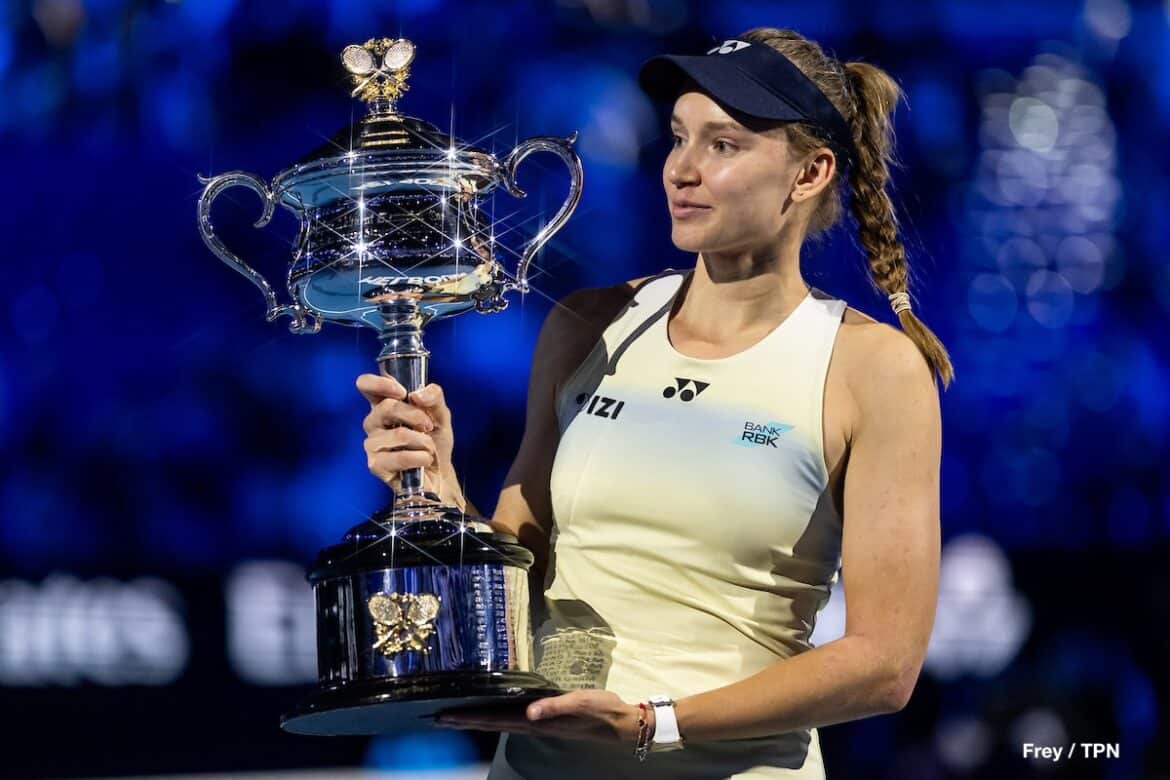
G’day, I want you to read this slowly, as it’s completely counterintuitive. Elena Rybakina hit a maximum of two shots in the court in 77% of all points she played at the 2026 Australian Open. Two touches. That’s it for almost eight points out of every ten. Mind-boggling. She won the title, only dropping one
Read more
  • Published in 0-4 Shots, Australian Open, Elena Rybakina
No Comments

A New Order Owning The Baseline Down Under. G’day Carlos.

Tuesday, 03 February 2026 by Craig O'Shannessy
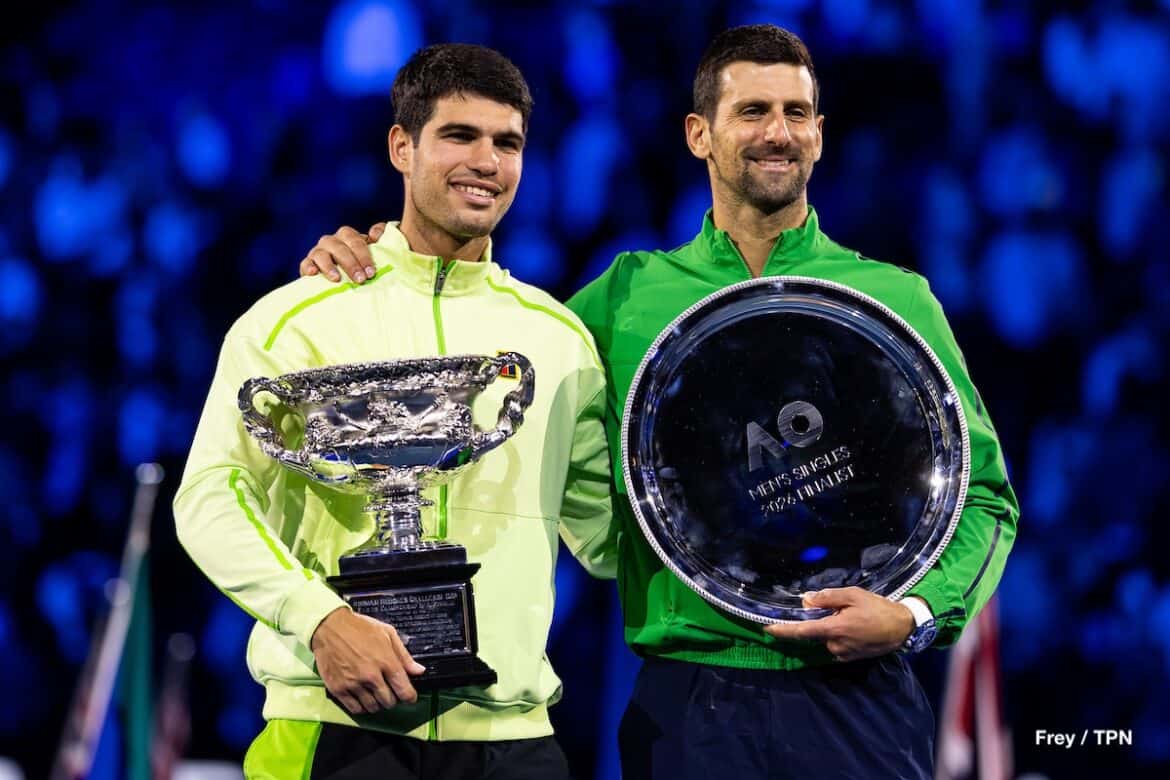
G’day, The statistic, “Baseline Points Won”, tells a lot about how a player performed in a match and a tournament. It’s important to note how this stat is calculated. For example, let’s say Carlos Alcaraz and Novak Djokovic are crushing the ball at each other from the baseline just like they did in the Australian
Read more
  • Published in Alex De Minaur, Australian Open, Carlos Alcaraz, Novak Djokovic, Tommy Paul
No Comments

2026 Oz Open Final. Can Djokovic defeat Alcaraz? Why Not?

Saturday, 31 January 2026 by Craig O'Shannessy
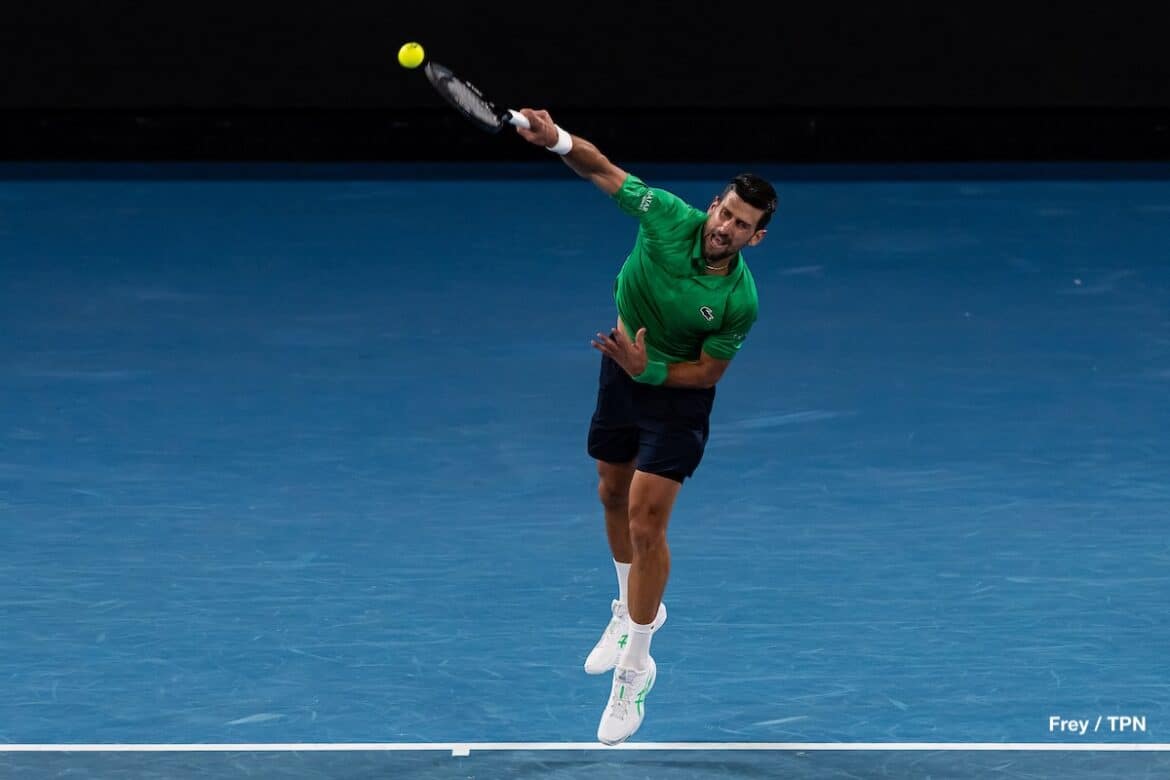
G’day from Melbourne, All points in tennis are not created equal. Break points are the “king makers” that weigh heaviest on the final outcome of a match. Want to know how/why 38-year-old Novak Djokovic has reached the Australian Open final against Carlos Alcaraz this evening? Look no further than Break Points Saved. In the fifth
Read more
  • Published in Australian Open, Break Points
No Comments

2026 Australian Open. Only 2.8% Serve And Volley Points. It’s Embarrassing.

Wednesday, 28 January 2026 by Craig O'Shannessy
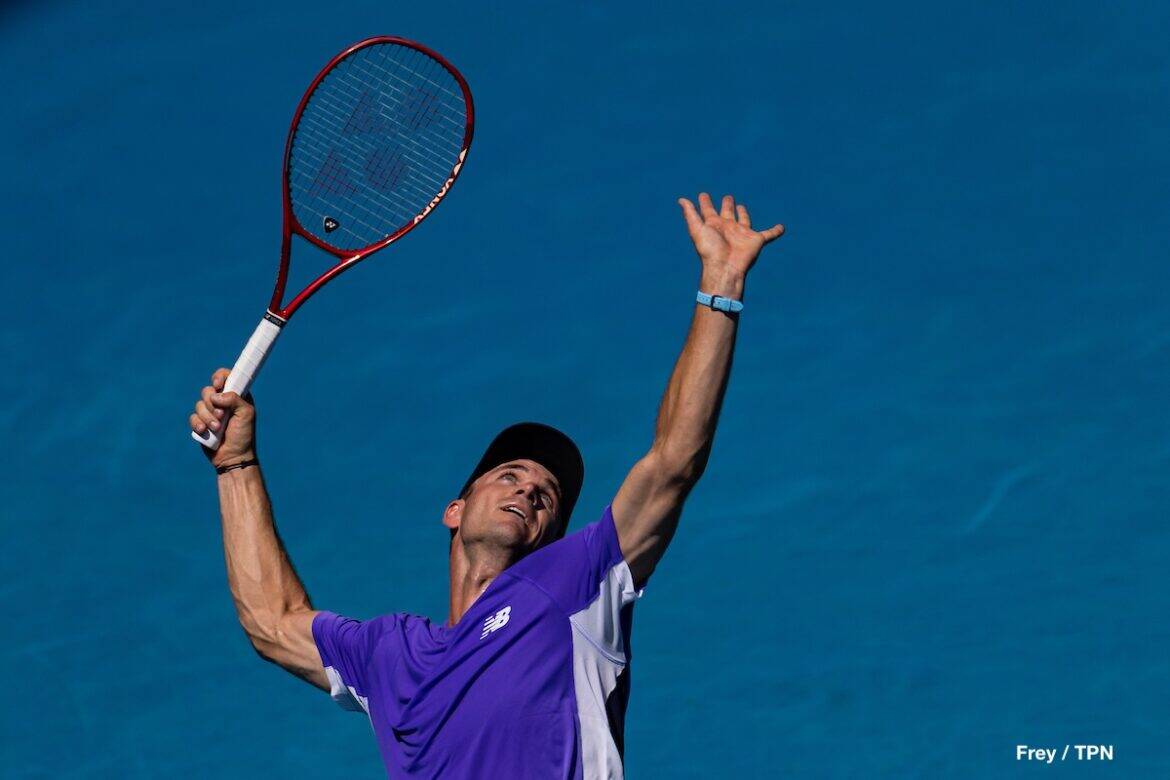
G’day from Melbourne, Let’s talk serve and volley. Australia is the land of kangaroos, Tasmanian devils, platypus, koalas, quokkas, and serve & volley. Serving and running straight to the net is in our DNA. If you can’t serve and volley, you can’t get a driver’s license Down Under. Pure and simple. Obviously, players are serving
Read more
  • Published in Alexander Bublik, Alexander Zverev, Australian Open, Ben Shelton, Carlos Alcaraz, Serve And Volley, Tommy Paul
No Comments

2026 Australian Open. Is elevating your game under pressure just a myth?

Wednesday, 28 January 2026 by Craig O'Shannessy
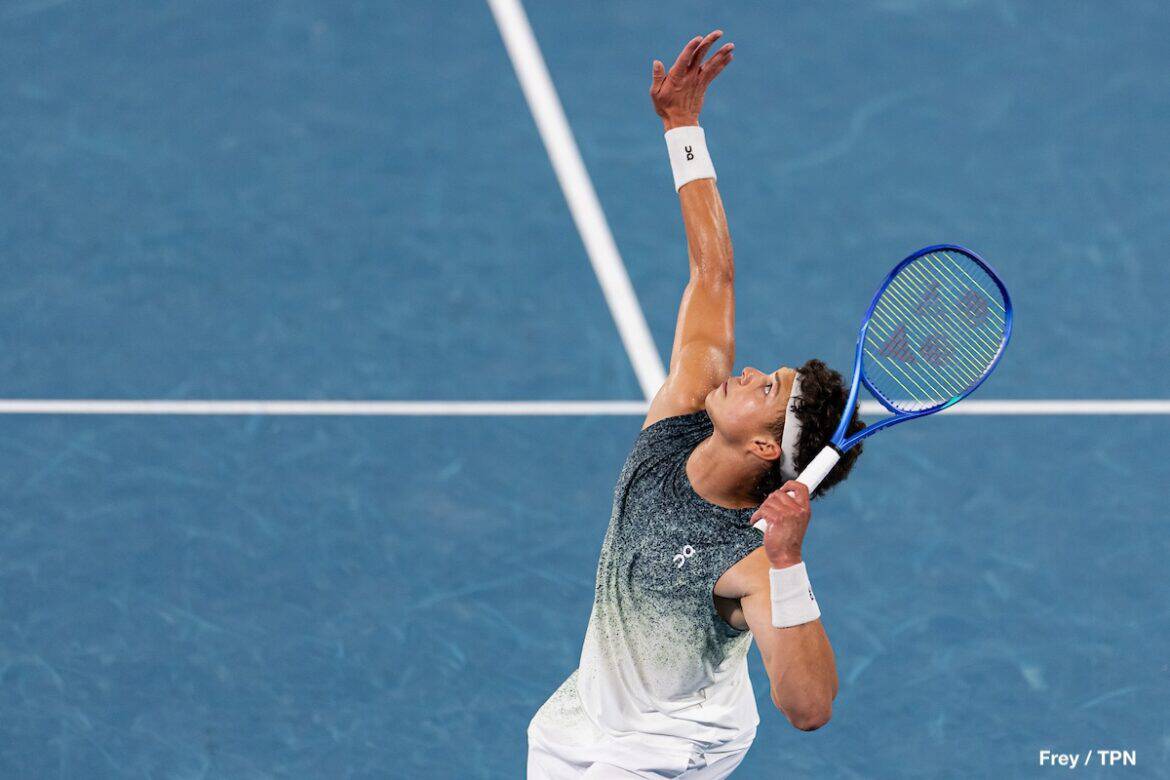
G’day from Melbourne, Do players at the 2026 Australian Open elevate their game in pressure situations? Do they find a new level when serving at break point compared to the rest of the point scores? You might be surprised… Let’s take a look at first serve performance in the men’s draw. 2026 AUSTRALIAN OPEN MEN
Read more
  • Published in Australian Open
No Comments

The Hidden Connection Between Rallies And Returns

Sunday, 25 January 2026 by Craig O'Shannessy
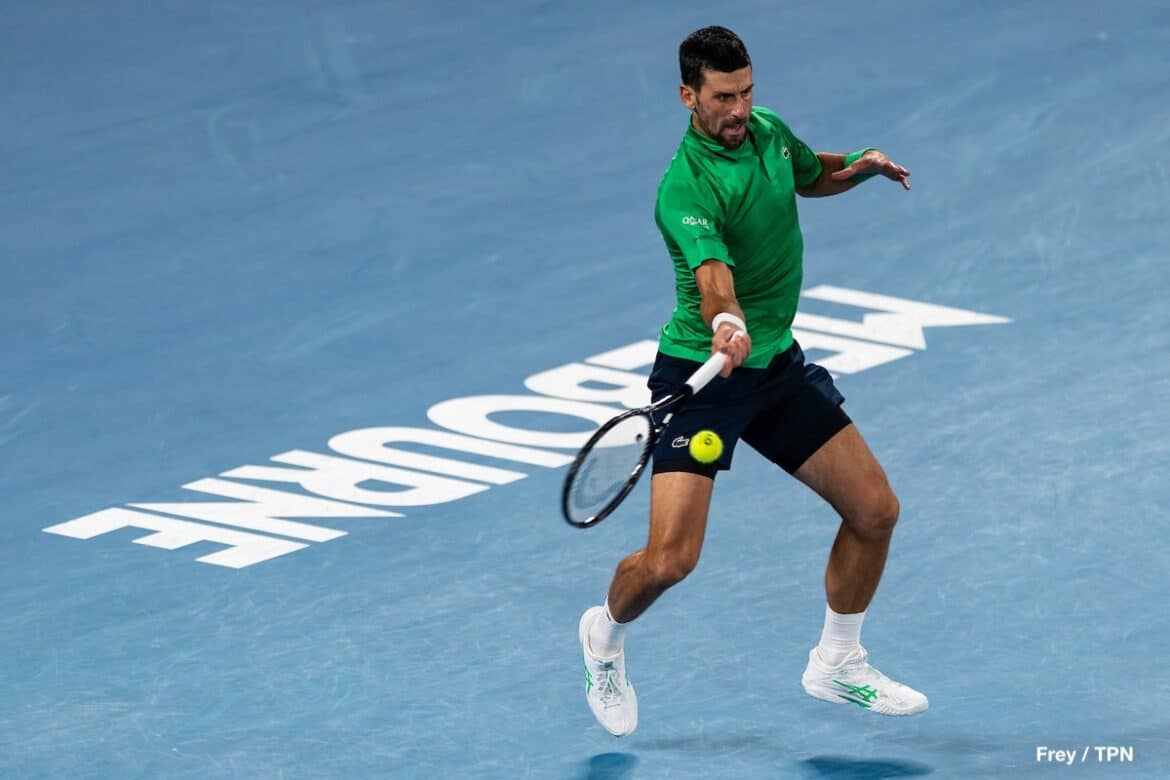
G’day from Melbourne, There is a hidden connection between the serve and rally phases of a point. New data from the 2026 Australian Open pinpoints how successful the server performs in the rally phase of the point after starting with either a first or second serve. Here’s how it works… The first premise is that
Read more
  • Published in Australian Open
No Comments

2026 Australian Open – Let’s Talk Return Of Serve Speed

Friday, 23 January 2026 by Craig O'Shannessy
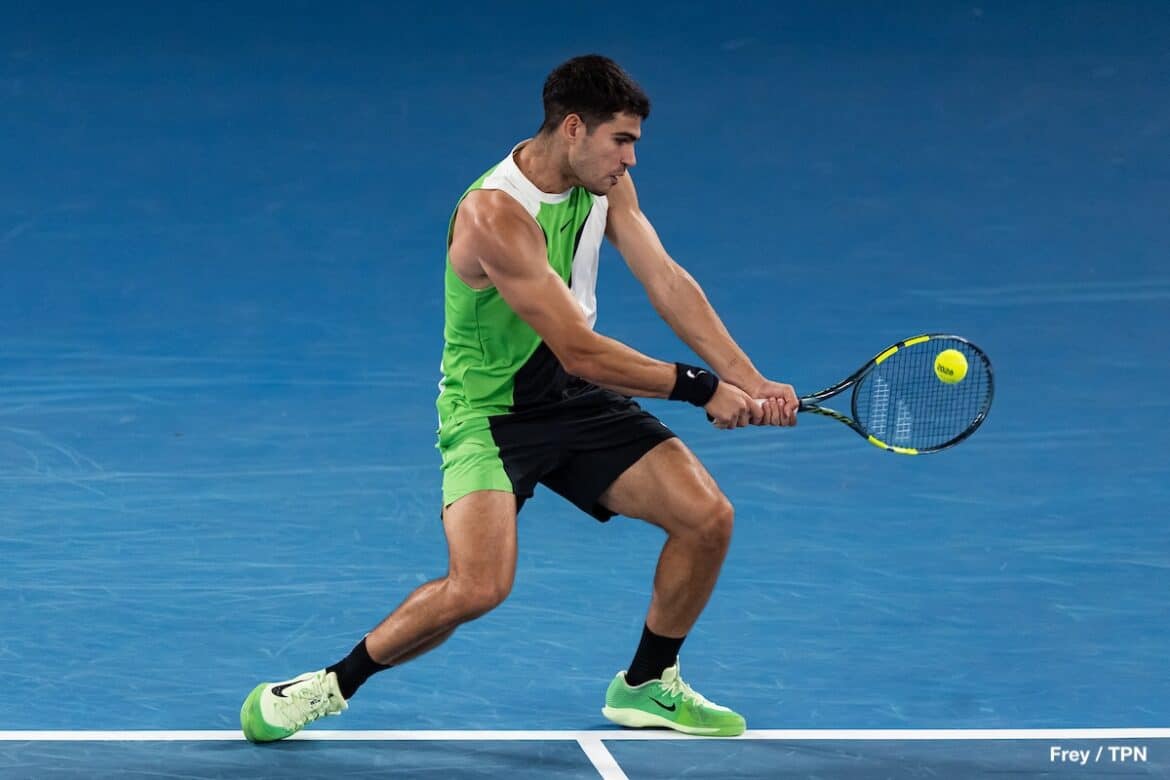
G’day from Melbourne, In many ways, the returner is simply reacting to what the server is giving them. If the serve is good and hits its spot, the returner is just trying to get the return back in play and somehow survive the early onslaught from the server. That will likely produce a slow return
Read more
  • Published in Australian Open, Return Of Serve
No Comments

2026 Australian Open: Novak Is Locked In. Here’s 10 Reasons Why.

Thursday, 22 January 2026 by Craig O'Shannessy
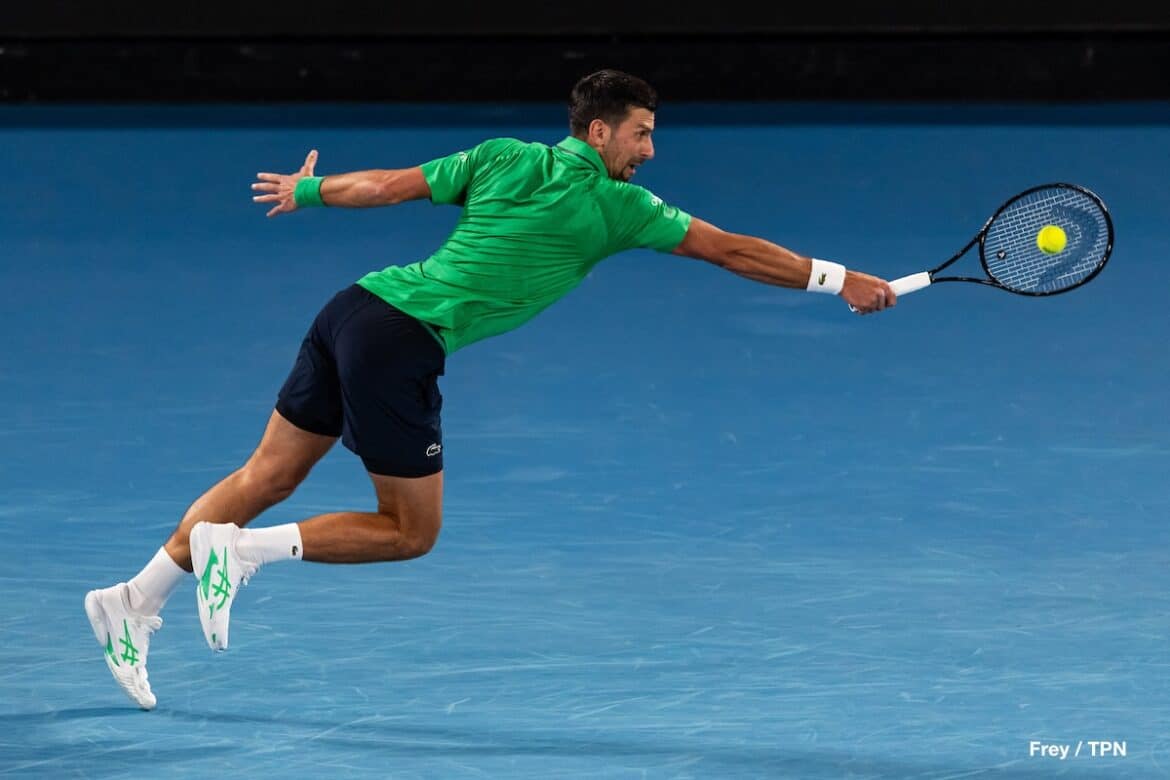
G’day From Melbourne Novak Djokovic is through to the third round of the 2026 Australian Open in commanding fashion. Let’s take a look at what he is doing well as he attempts to win an unprecedented eleventh title Down Under. Djokovic: First Two Rounds Rd 1 def. Pedro Martinez 6-3, 6-2, 6-2 Rd 2 def.
Read more
  • Published in Australian Open, Novak Djokovic
No Comments

2026 Australian Open. How To “Set The Weather” When Serving

Wednesday, 21 January 2026 by Craig O'Shannessy
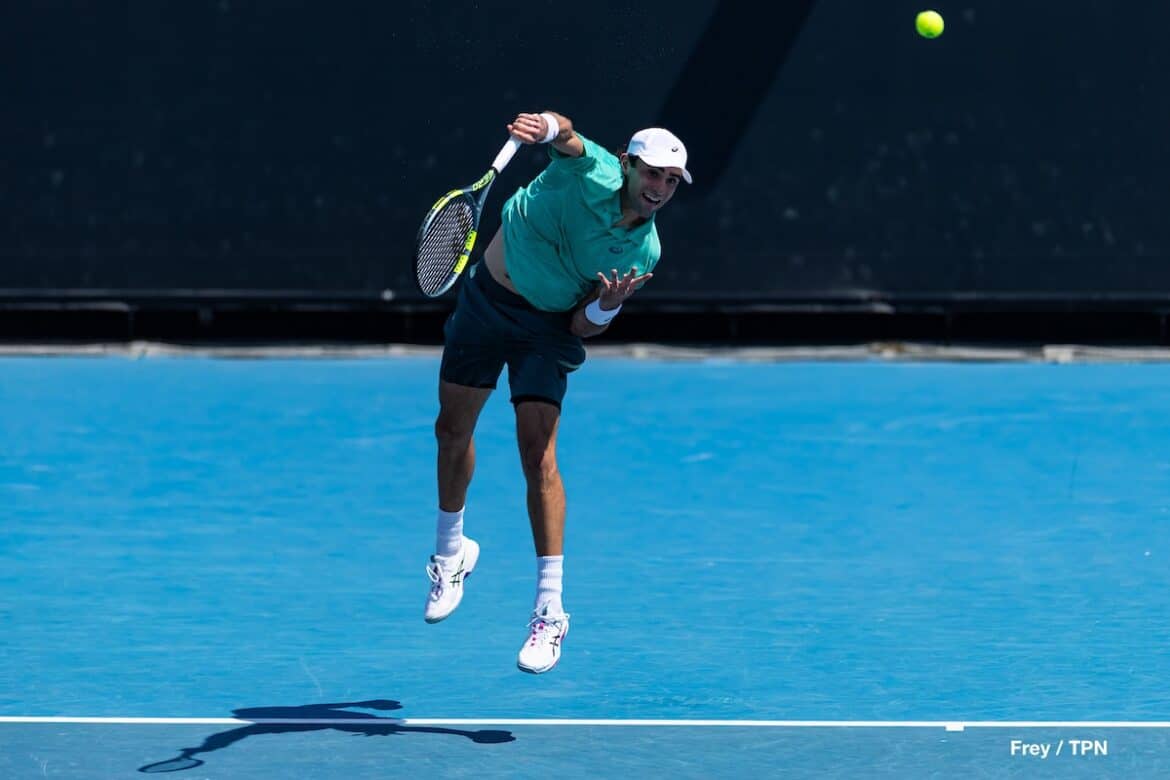
G’day from Melbourne In many ways, you can boil tennis down to two tasks. Holding serve and breaking serve. Is there something fairly simple that players at all levels of our sport can do to help bolster their chances of holding serve? Why, yes, there actually is. It’s all about the first point of the
Read more
  • Published in Australian Open, Serving
No Comments

How To Build Return Pressure

Thursday, 08 January 2026 by Craig O'Shannessy
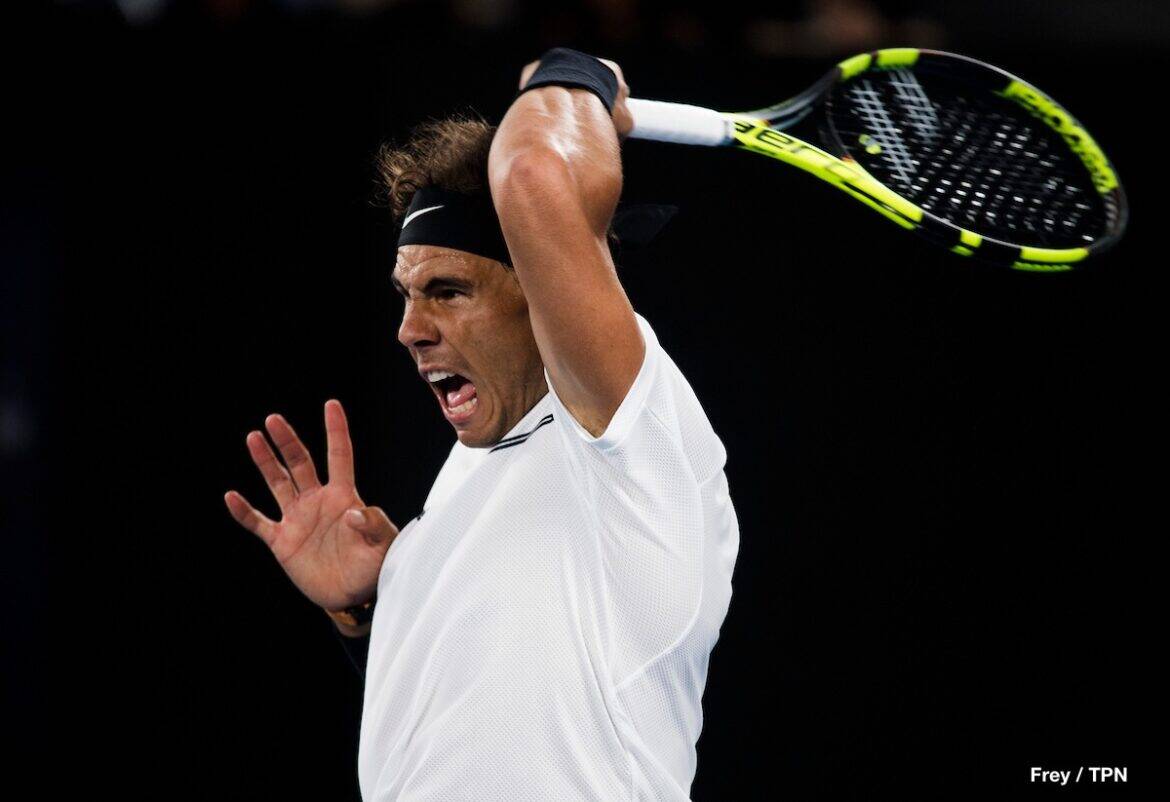
Rafael Nadal is a master of moments in time. Nadal defeated Milos Raonic 6-4, 7-6(7), 6-4 at Rod Laver Arena, playing even for a lot of the contest, and then owning the moments that mattered the most to the bottom line. Nadal won 117 points for the match to Raonic’s 95 (+22). The Spaniard was
Read more
  • Published in Australian Open, Milos Raonic, Rafael Nadal
No Comments

Improve Your 1st Serve With This Smart Drill

Monday, 11 August 2025 by Craig O'Shannessy
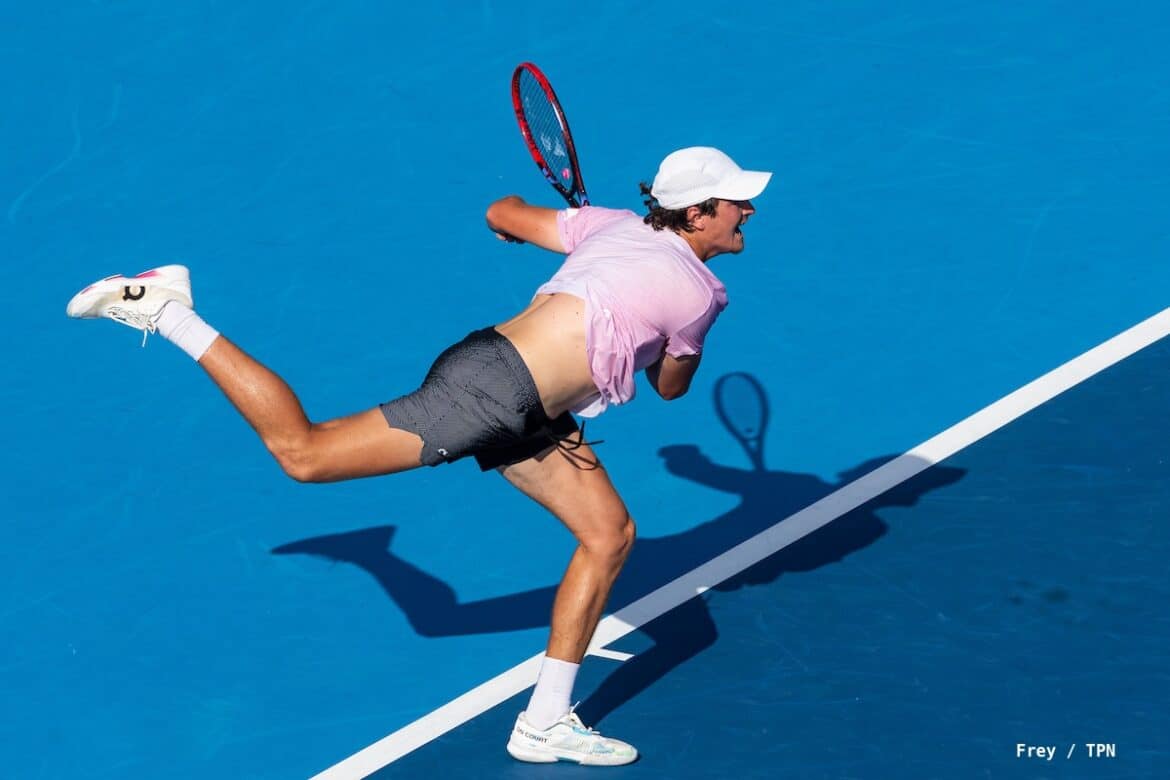
G’day, I have been back on court a lot lately, working with players at Roland Garros, Wimbledon, and also the US national junior hardcourts in Kalamazoo. I want to share with you a first serve drill that I have done at all events that helps players get more first serves in and win more service
Read more
  • Published in Australian Open, Roland Garros, Serving, US Open, Wimbledon
No Comments

My Top 7 Takeaways From 2025 Aussie Open

Friday, 31 January 2025 by Craig O'Shannessy
G’day, The 2025 Australian Open smashed attendance records day after day, highlighting just how popular the sport is Down Under. You actually can’t qualify the Aussie Open as just a tennis tournament anymore. It’s morphing into a festival with so much to see and do for the whole family. It’s the most fan-friendly tournament on
Read more
  • Published in Australian Open, Ben Shelton, Carlos Alcaraz, Jannik Sinner
No Comments

Madison Keys Rides The Wave Of Short Rallies Down Under

Thursday, 23 January 2025 by Craig O'Shannessy
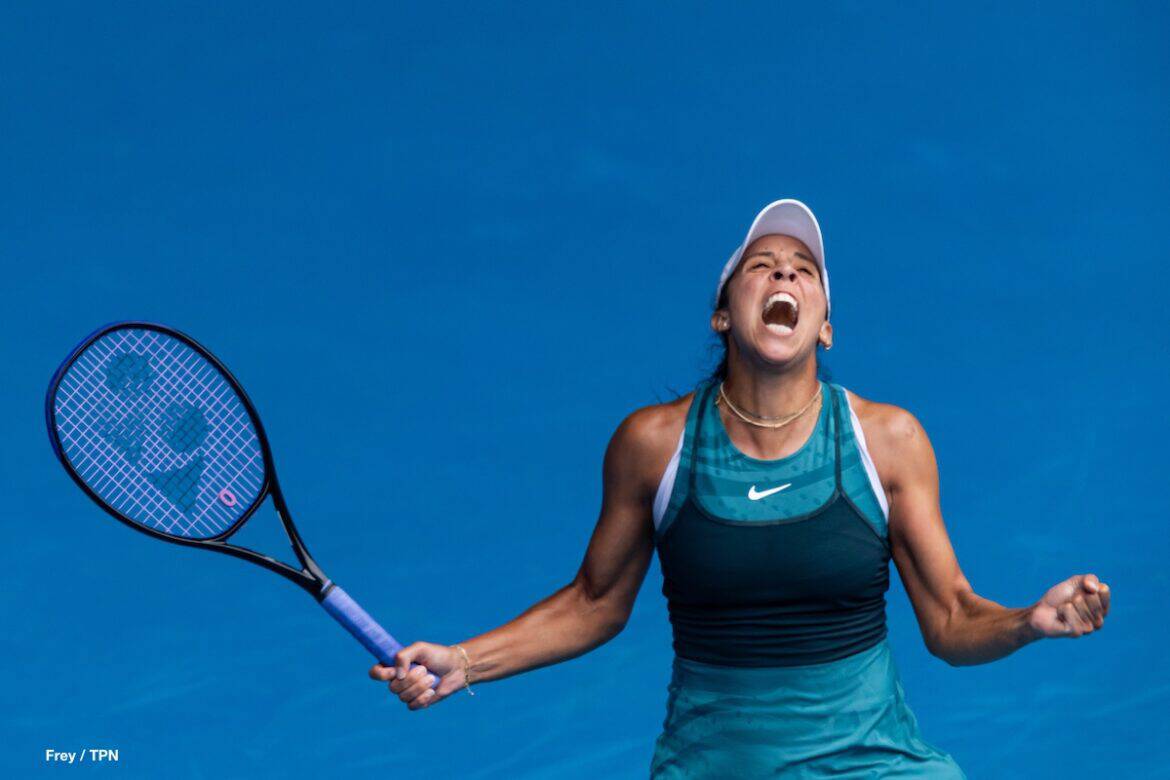
The serve went in. The return went in. And the ensuing Serve +1 groundstroke also went in. But that’s where the rally typically ended. Short and sweet. Just how Madison Keys liked it. Keys defeated No. 2, Iga Swiatek, 5-7, 6-1, 7-6(8) in their blockbuster semi-final on Rod Laver Arena. Keys loves short rallies. The
Read more
  • Published in Australian Open, Iga Swiatek, Iga Świątek, Madison Keys
No Comments

2024 Australian Open Men’s Final: 8 Keys To Victory

Saturday, 27 January 2024 by Craig O'Shannessy
G’day from Melbourne! It’s the ???? vs. the ???? in the men’s final this evening! Jannik Sinner will take on Daniil Medvedev in an intriguing match-up that will decide Grand Slam glory to start 2024. Here are seven things that will go a long way to deciding the final outcome. 1: TIME ON COURT TO
Read more
  • Published in Australian Open, Daniil Medvedev, Jannik Sinner
No Comments

2024 Australian Open Rd1: More Points At Net

Tuesday, 16 January 2024 by Craig O'Shannessy
G’day from Melbourne, Points played at the net are on the rise again at Melbourne Park this year. ???? Hip, hip, hooray!!! ???? As you may well know, I am always championing players venturing to the net to win points for a variety of reasons. Taking time away, pressuring with court position, and taking the
Read more
  • Published in Approach & Volley, Australian Open
No Comments

The Greatest Djokovic Stat – Ever!

Monday, 13 March 2023 by Craig O'Shannessy
Are you able to put a finger on the pulse of greatness? In other words, what exactly does Novak Djokovic do so well that sets him apart from other players? Is there a specific match statistic that identifies the gap between him and the rest of the field? Yes. There. Is. ???? Novak went 12-0
Read more
  • Published in Australian Open, Forehands, Novak Djokovic
No Comments
  • 1
  • 2
  • 3

The #1 Tennis Strategy Newsletter

Join 1000's of other tennis players. Enter your email address to get exclusive access to all our latest tennis strategies, including behind the scenes photos, videos & more!

Ten Tennis Strategy Products

Brain Game Tennis is the world leader researching and teaching strategy in tennis. Below are ten products to choose from to remove the guesswork and opinion from your game.

THE FIRST 4 SHOTS

The practice court is clearly broken. Here’s the proof.

Points are "front loaded". By far the majority of the action, and the winning, takes place in THE FIRST 4 SHOTS. The practice court is full of long rallies. Matches are dominated by short rallies. There is a massive disconnect occurring.

We spend too much time grinding, banging balls up and down the middle of the court – that have no real benefit to winning tennis matches.

There are 3 specific rally lengths in tennis. Here is their percentage breakdown of total points.

0-4 Shots = 70%
5-8 Shots = 20%
9+ Shots = 10%

The First 4 Shots is specifically the serve, return, Serve +1 groundstroke and Return +1 groundstroke. Those are normally the shots that get practiced the least, but matter the most to winning tennis matches.

Short Ball Hunter

The net is an extremely high percentage place to be!

If you love playing tennis for fun, spend as much time at the baseline as you like. But if you compete – if the score matters – then you must turn your attention to the net to maximize your potential.

The “herd mentality” in tennis thinks it’s too tough to approach the net in today’s game. The conversation starts with improved string technology, more powerful rackets, and finishes with stronger, faster athletes. The herd think approaching is a relic of the past. The herd is WRONG!

AVERAGE WIN %
Baseline = 46%
Net = 66%

Data from ALL Grand Slams provides the facts about approach and volley, and the data is crystal clear – it’s immensely better than staying back at the baseline, grinding for a living.

Num3ers

The baseline is a tough place to create separation. Here's how to do it.

At the 2012 US Open, only 7 men and 14 women had a winning percentage from the baseline. At Wimbledon 2016, Andy Murray won the title only winning 52% of his baseline points - and he is one of the very best at it in the world!

Num3ers deeply explores the data that rules points, especially from the back of the court. Take a "deep dive" into all three rally lengths (0-4, 5-8, 9+), and winner and errors totals from the elite level of our game. The numbers will shock you!

All 4 Grand Slams

Forcing Errors = 41% Men / 37% Women
Winners = 32% Men / 29% Women
Unforced Errors = 27% Men / 34% Women

Num3ers is very much like putting a jigsaw puzzle together. It's about bringing together different data sets together to create the big picture.

Dou8les Num3ers

Doubles Numbers

Every recorded match from the 2015 Australian Open - Rd2 to the final.

There is a lot happening on a doubles court. Situations and strategies are constantly being adjusted to create mis-matches with court position. It's hard to keep track of - until now. Dou8les Num3ers is the most comprehensive analysis of doubles data in our sport. The focus is on how a point ends, and it's broken down eight ways to Sunday. Specifically, you find critical information on:

Winners rise to the #1 way a point ends (over forced & unforced errors)

- The last shot of the rally is overwhelmingly struck at the net.
- Center Window: the most important part of a doubles court to control.
- Stephen Huss: an in-depth interview on Wimbledon's Centre Court with the 2005 Wimbledon Doubles Champion.

Dou8les Num3ers leaves no stone unturned. Percentage breakdowns of how often the server or receiver hits the last shot highlight the dramatic influence of the serve. The last shot of the rally is significant, and is broken down into the following categories: volleys, overheads, passing shots, lobs and groundstrokes.

between the points

When you play a match, you actually play two matches.

When you walk out onto a tennis court, there are two matches that you are about to play. The first is during the point - a part of the match that you have spent a lot of time preparing for on the practice court. But there is a second match, that takes place in the 20 seconds between the points. This is where the mental and emotional aspects of our sport kick in.

Let's face it, there will be adversity in almost every tennis match that you play. The storm clouds are coming. How bug they are, and how long they last for, are up to you.

Between the points is very tennis specific. It provides a roadmap for the 20 seconds between the points, teaching how to handle the adversity that will surely come, and how to build on the successes that will also be present. Your mind is your biggest asset in a match, and Between the Points takes your hand off the self destruct button and stops you beating yourself.

25 golden rules of singles strategy

You don't have to be good at everything, but you have got to be good at something.

You can break tennis down into four key elements - serving, returning, rallying and approaching. Each part has specific patterns of play that consistently deliver higher winning percentages than the others. No more guessing. No more opinions. All facets of our sport are covered in this exceptional product, clearly outlining what patterns to gravitate to, and how to best construct the practice court. Data comes primarily from the 2015 Australian Open.

Building Blocks

MEN = 70% errors / 30% winners
WOMEN = 74% errors / 26% winners

Forcing errors is the best way to construct a point.
You can simply break tennis down into primary and secondary patterns of play - and they are all covered here. Primary patterns include serve and return direction, forehands v backhands, and the best way to approach the net. Secondary patterns include drop shots, serve & volley and 1st volley options. If you play tournaments, this product will greatly help you simplify the singles court.

25 golden rules of doubles

The conversation starts & ends with the Center Window.

The doubles court is like an hourglass. There are two big ends, but a small neck in the middle where all the action happens. Once you learn the power of the Center Window, where you stand to start the point will take on a lot more significance.

Doubles is a lot more about situations, with four people on the court all "dancing" with one another. Learn all the best doubles patterns, broken down for the server, returner, server's partner and the returner's partner.

Doubles Situations

The "J" - the most ideal movement for the returner's partner to attack the net.

The "V" - a better way of understanding where the server's partner should move to.

Volley Targets - there are four main areas to attack. Know which ones are higher percentage. Beach Volleyball - the idea of a "setter" and "spiker" is ideal for the doubles court.

There are certain parts of the court that the ball travels to a lot, and other low percentage areas that you really don't want to cover at all - like the alley! In general, the serving team wants to keep the ball in the middle of the court as much as possible (to help the server's partner), while the returning team benefits from hitting wider and creating more chaos in the point.

Dirtballer

Dirtballer clay court tennis course

Getting Tight

Getting Tight tennis strategy course

Welcome to our Twitter Feed

Tweets by @BrainGameTennis

Join The #1 Tennis Strategy Newsletter

Enter your email address to get exclusive, behind the scenes photos, videos and interviews!

Contact Craig O’Shannessy


    Your Name (required)

    Your Email (required)

    Your Message

    • GET SOCIAL

    © 2019 Brain Game Tennis.
    Designed & Directed by Craig O'Shannessy

    TOP